

?
2026-10-23
هذا نظام مياه ساخنة متكامل (يُشار إليه عادةً باسم سخان مياه بمضخة حرارية هوائية متكاملة). يتم تجميع ضاغط المضخة الحرارية، والمبخر، ووحدة التحكم، وخزان تخزين المياه الساخنة داخل وحدة واحدة، مما يلغي الحاجة إلى وحدة خارجية منفصلة - على عكس مضخات الحرارة الهوائية المستخدمة لتدفئة المساحات.
كيف يعمل
1. تستخرج المضخة الحرارية الطاقة الحرارية منخفضة الدرجة من الهواء المحيط عبر مبخر.
2. يتم ضغط المبرد، مما يرفع درجة حرارته، ثم ينقل هذه الحرارة إلى الماء داخل خزان التخزين عبر مبادل حراري.
3. يتم تخزين المياه الساخنة في خزان معزول للاستخدام لاحقًا (مثل الاستحمام، أو الصنابير، أو احتياجات المطبخ).
4. معظم الموديلات مزودة بـ **عنصر تسخين كهربائي مساعد (سخان غاطس)** للتعامل مع الطقس شديد البرودة أو الزيادات المفاجئة في الطلب على المياه الساخنة.
أوضاع التشغيل الأساسية
1. وضع المضخة الحرارية فقط (وضع توفير الطاقة): الوضع الافتراضي، يوفر أقل تكاليف تشغيل. يتم توفير التدفئة حصريًا بواسطة المضخة الحرارية، مع بقاء عنصر التسخين الكهربائي غير نشط. مناسب لدرجات الحرارة المحيطة فوق -5 درجة مئوية إلى 0 درجة مئوية (اعتمادًا على الموديل المحدد).
2. الوضع الهجين/التلقائي: يعطي الأولوية للمضخة الحرارية؛ إذا لم تتمكن المضخة الحرارية من الوصول إلى درجة الحرارة المستهدفة بالسرعة الكافية، أو إذا كانت درجة الحرارة المحيطة منخفضة جدًا، يتم تنشيط عنصر التسخين الكهربائي تلقائيًا. هذا يوازن بين سرعة التدفئة واستهلاك الطاقة.
3. وضع التسخين الكهربائي فقط (وضع التعزيز/التسخين السريع): يستخدم عنصر التسخين الكهربائي فقط. يوفر تسخينًا سريعًا ولكنه يؤدي إلى استهلاك كهرباء أعلى. مفيد للحالات العاجلة التي تتطلب إمدادًا سريعًا بالمياه الساخنة.
4. وضع الإجازة/الاستعداد: يحافظ على درجة حرارة منخفضة للحماية من التجمد لمنع تلف التجمد مع تقليل استهلاك الطاقة.
إعدادات درجة الحرارة الموصى بها
1. درجة حرارة المياه الساخنة المنزلية: عادة ما يتم ضبطها على **50-55 درجة مئوية** للاستخدام اليومي.
2. التطهير الدوري: مرة واحدة في الأسبوع، ارفع درجة الحرارة إلى 60 درجة مئوية واحتفظ بها هناك لفترة قصيرة لمنع نمو بكتيريا *الليجيونيلا*، ثم أعد الضبط إلى 50-55 درجة مئوية. * تجنب ضبط درجة الحرارة على 60 درجة مئوية لفترات طويلة، حيث يزيد ذلك بشكل كبير من فقدان الحرارة أثناء الاستعداد وتكاليف التشغيل.
أفضل الممارسات للاستخدام الفعال
1. سخّن الماء خلال ساعات الكهرباء غير الذروة (إذا كنت مشتركًا في تعريفة الاستخدام حسب الوقت): استخدم مؤقتًا لجدولة التسخين خلال الليل أو فترات أخرى غير الذروة.
2. تجنب سحب كميات صغيرة ومتكررة من الماء الساخن: تكون المضخات الحرارية أكثر كفاءة عند تسخين خزان كامل من الماء في دورة واحدة؛ إعادة التسخين المتكررة على نطاق صغير أقل كفاءة بكثير.
3. حافظ على فتحات الهواء ومخارجها واضحة: تأكد من عدم انسداد تدفق الهواء بالأوراق أو الصناديق الكرتونية أو أي حطام آخر. يمكن أن يقلل تدفق الهواء المقيد بشكل كبير من معامل الأداء (COP).
4. تحقق من وظيفة منع التجمد: إذا تم تركيب الوحدة في الخارج أو في غرفة خدمات غير مدفأة، فتأكد من تمكين ميزة منع التجمد.
5. افحص عزل خزان المياه والأنابيب: يؤدي تدهور العزل إلى زيادة فقدان الحرارة.
6. قم بإزالة الترسبات بانتظام حسب توصية الشركة المصنعة (خاصة في المناطق ذات المياه العسرة): يمكن أن يؤدي تراكم الترسبات الكلسية على المبادل الحراري إلى إضعاف أداء النظام بشكل كبير.
المشاكل الشائعة واستكشاف الأخطاء وإصلاحها
1. ينفد الماء الساخن بسرعة: تحقق مما إذا كان التسخين الكهربائي المساعد (السخان الغاطس) متوقفًا؛ تحقق مما إذا كانت سعة الخزان تلبي احتياجات منزلك؛ وتحقق من إعداد درجة الحرارة.
2. لا يوجد تسخين في الطقس البارد: عندما تنخفض درجة الحرارة المحيطة عن الحد الأدنى لدرجة حرارة التشغيل المقدرة للمضخة الحرارية، ستتحول الوحدة إلى وضع التسخين الكهربائي المساعد.
3. ضوضاء تشغيل مفرطة: صوت همهمة من المروحة أو الضاغط أثناء التشغيل أمر طبيعي. إذا سمعت أصوات نقر أو طحن، فتحقق من المكونات السائبة أو اتصل بفني متخصص.
4. فواتير كهرباء مرتفعة: تأكد من أن الوحدة تعمل في وضع المضخة الحرارية بدلاً من البقاء في وضع التسخين الكهربائي المساعد؛ تحقق أيضًا من تدفق الهواء المناسب وتحقق من مستوى شحن المبرد.
المزايا الرئيسية
1. سهولة التركيب: يتطلب التصميم المتكامل (الكل في واحد) وصلات أنابيب أقل مقارنة بتكوين مضخة حرارية هوائية منفصلة + خزان مياه منفصل.
2. معامل أداء ممتاز (COP): يصل عادةً إلى 2.0-3.5 في المناخات المعتدلة، مما يؤدي إلى تكاليف تشغيل أقل بكثير من تكاليف التسخين الكهربائي المباشر.
3. تدعم معظم وحدات التحكم الحديثة وظائف التسخين المجدولة وتتضمن دورة تطهير لليجونيلا.
القيود
1. ينخفض الأداء في الطقس المتجمد، وعند هذه النقطة يجب أن يعتمد النظام على التسخين الكهربائي المساعد.
2. يتطلب مساحة أكبر مقارنة بسخانات المياه الكهربائية القياسية.
3. يتطلب دوران هواء كافٍ حول المبخر.
عرض المزيد
لماذا تحتاج مضخات الحرارة من مصدر الهواء إلى الحرارة الاحتياطية الكهربائية؟
2026-10-16
مضخة الحرارة من مصدر الهواء (ASHP) هي نظام تسخين وتبريد عالي الكفاءة. ومع ذلك، لضمان الراحة الداخلية المتسقة،غالباً ما تكون مجهزة بحرارة احتياطية كهربائية، والتي يشار إليها أيضًا باسم "الحرارة المساعدة" أو "حرارة الطوارئ"."إن ضرورة هذا التسخين الاحتياطي تنبع من اعتبارات تتعلق بالديناميكا الحرارية وميكانيكا التشغيل والاقتصاد.
1انخفاض قدرة التدفئة في الطقس البارد (نقطة التوازن)تعمل مضخات الحرارة عن طريق استخراج الحرارة من الهواء الخارجي ونقلها إلى الداخل. مع انخفاض درجة الحرارة في الخارج، يصبح من الصعب على النظام استخراج الحرارة،مما يسبب انخفاض قدرة مضخة الحرارة على التدفئةفي الوقت نفسه، لأن الحرارة تضيع من المنزل إلى البيئة الخارجية الباردة، زيادة الطلب على التدفئة للمبنى.تُعرف درجة الحرارة التي تتطابق فيها قدرة مضخة الحرارة على تسخين المنزل تمامًا بـ "نقطة التوازن"عندما تنخفض درجة الحرارة الخارجية تحت هذه النقطة،مضخة الحرارةلم تعد قادرة على تلبية الطلب على التدفئة بمفردها؛ في هذه المرحلة، هناك حاجة إلى حرارة احتياطية كهربائية للحفاظ على درجة حرارة الغرفة.
2دورة إزالة الثلجفي الظروف الباردة والرطبة، الرطوبة من الهواء يمكن أن تكثف وتتراكم على الملفات الخارجية لضخة الحرارة، وتشكيل طبقة من الصقيع الذي يضعف قدرتها على التدفئة.النظام يعكس تشغيله مؤقتا (التبديل إلى وضع التبريد) لإذابة الجليدأثناء دورة ذوبان الجليد هذه، يتم تشغيل نظام التدفئة الكهربائي الاحتياطي تلقائيًا لمنع الهواء البارد من النفخ إلى المنزل من خلال فتحات التهوية.
3حجم النظام والاعتبارات الاقتصاديةعند تحديد حجم نظام التكييف والتهوية، يجب أن نأخذ في الاعتبار كل من التبريد الصيفي وتسخين الشتاء.قدرة المعدات المطلوبة للتبريد في الذروة الصيفية أقل من تلك المطلوبة للتدفئة في الذروة الشتويةلتجنب زيادة حجم مضخة الحرارة، والتي قد تؤدي إلى ضعف إزالة الرطوبة في الصيف، وارتفاع تكاليف المعدات المسبقة،وتكرار الدورات (بدء وإيقاف الوحدة) عادة ما يقوم المثبتون بتحديد حجم النظام ليتوافق بشكل أفضل مع حمولة التبريد أو متوسط حمولة التدفئةخلال أبرد أيام أو أسابيع الشتاء، يستخدم النظام التدفئة الإضافية الكهربائية لسد أي نقص في التدفئة بفعالية من حيث التكلفة.
4الإفراج الطارئالتدفئة المساعدة بمثابة ضمان أساسي للسلامة. In the event that the heat pump’s primary compressor fails—or if the system encounters extreme cold that exceeds its design limits—the electric auxiliary heating system ensures that household pipes do not freeze and burst، مع الحفاظ على سلامة سكان المنزل.
المقايضات في الكفاءةمن المهم أن نلاحظ أن التدفئة المساعدة بالمقاومة الكهربائية أقل كفاءة بكثير من مضخة الحرارة نفسها.مضخات الحرارة من مصدر الهواءيمكن أن تحافظ على معامل الأداء (COP) 1.75 أو أعلى حتى في الطقس البارد، تسخين المقاومة الكهربائية لديه COP من 1 فقط.مما يعني أنها تنتج بالضبط وحدة واحدة من الحرارة لكل وحدة من الكهرباء المستهلكةلأن التدفئة المساعدة أكثر تكلفة في التشغيل، تم تصميم الحرارة الحديثة لتشغيلها فقط عندما تكون ضرورية للغاية،مثل عندما تكون هناك حاجة إلى زيادة سريعة في درجة حرارة الغرفة أو خلال فترات البرد الشديد.
التقدم التكنولوجيمع استمرار تطور التكنولوجيا، ظهر جيل جديد من مضخات الحرارة من مصدر الهواء "المناخ البارد"قادرة على الحفاظ على قدرة التسخين الاسمية عند درجات حرارة أقل بكثير إلى -13 درجة فهرنهايت (-25 درجة مئوية)على الرغم من أن هذه النماذج المتقدمة تقلل من تواتر الحاجة إلى التدفئة الإضافية ، إلا أن التدفئة الإضافية الكهربائية لا تزال ميزة قياسية وعملية في معظم المنشآت ،ضمان التدفئة والراحة الموثوق بها طوال العام.
عرض المزيد
هل يمكن استخدام مضخات الحرارة من مصدر الهواء في الشقق؟
2026-10-09
نعم، مضخات الحرارة الهوائية (ASHPs) يمكن بالتأكيد استخدامها في الشقق، على الرغم من أن جدواها تعتمد إلى حد كبير على العقار المحدد، وهيكل المبنى، وحالة الملكية. في حين أن التركيب سهل نسبيًا في المنازل المنفصلة، إلا أن تركيبه في الشقق يمثل تحديات فريدة.
إليك التفاصيل التي تحتاج إلى معرفتها:
التحديات الرئيسية للتركيب في الشقق
1. الحاجة إلى مساحة خارجية
الوحدة الخارجية لمضخة الحرارة الهوائية بحجم حقيبة سفر كبيرة أو غسالة (حوالي 1 متر × 1 متر × 0.5 متر). تتطلب مساحة كافية لتدفق الهواء (عادةً 1-2 متر خلوص في الأمام و 0.5 متر في الجوانب والخلف) وموقع لتصريف التكثيف. تتمتع الشقق في الطابق الأرضي بحدائق خاصة أو تراسات بميزة واضحة في هذا الصدد. بالنسبة للشقق في المباني الشاهقة، تقتصر المواقع المحتملة على الشرفات، أو أسطح الشقق المشتركة، أو مد أنابيب طويلة على طول واجهة المبنى الخارجية - وهي خيارات غالبًا ما تثير مخاوف بشأن السلامة الهيكلية والجماليات.
2. مساحة لخزان تخزين المياه الساخنة الداخلي
على عكس الغلايات المدمجة، تتطلب أنظمة مضخات الحرارة خزان تخزين للمياه الساخنة (عادةً بسعة 150-200 لتر). تم إزالة خزانات التخزين أو خزانات التهوية الأصلية في العديد من الشقق الصغيرة - خاصة تلك التي تم بناؤها أو تجديدها في التسعينيات أو العقد الأول من القرن الحادي والعشرين - لتوفير المساحة، مما يجعل وضع خزان التخزين تحديًا كبيرًا.
3. الأذونات والعقبات القانونية
إذا كنت مستأجرًا (ترتيب شائع في العديد من البلدان، بما في ذلك المملكة المتحدة)، فإن اتفاقية الإيجار الخاصة بك ستتطلب منك بالتأكيد الحصول على موافقة خطية من المالك الحر أو شركة إدارة الممتلكات قبل إجراء أي تعديلات خارجية. ينطبق هذا على تركيب الوحدة الخارجية أو حفر ثقوب للأنابيب. يحق للمالك الحر رفض الإذن، وقد يتضمن الحصول على "ترخيص للتعديل" رسمي رسومًا قانونية. يجب على المستأجرين أيضًا الحصول على موافقة صريحة من المالك.
4. لوائح الضوضاء
يجب أن تجتاز الوحدات الخارجية تقييمًا للضوضاء لضمان عدم تسببها في إزعاج للجيران، خاصة في المناطق المكتظة بالسكان حيث تتشارك المنازل الجدران. تعمل الوحدات الحديثة بهدوء شديد (غالبًا أهدأ من الثلاجة)، ومع ذلك، فإن المسافة بين موقع التركيب ونوافذ الجيران تخضع لقيود صارمة.
حلول وبدائل عملية
إذا كانت شقتك غير مناسبة لمضخة حرارة هوائية مستقلة قياسية (ASHP)، ففكر في البدائل التالية:
1. أنظمة مضخات الحرارة المركزية (المشتركة)
بالنسبة لمباني الشقق، غالبًا ما تكون الأنظمة المركزية هي الحل الأكثر عملية وكفاءة. عادةً، يتم تركيب مضخة حرارة كبيرة (أو مجموعة من الوحدات) في غرفة معدات أو على السطح لتسخين المياه، والتي يتم بعد ذلك توزيعها على الشقق الفردية عبر أنابيب معزولة. تستخدم كل شقة وحدة واجهة حرارية (HIU) مدمجة لتوفير التدفئة والمياه الساخنة عند الطلب، مما يلغي الحاجة إلى وحدات خارجية فردية أو خزانات مياه كبيرة.
2. مضخات الحرارة الهوائية العادمة (EAHP)
هذا بديل عالي الكفاءة مصمم خصيصًا للشقق. تستعيد مضخات الحرارة الهوائية العادمة الحرارة المهدرة من نظام تهوية العادم الميكانيكي للشقة لتوفير تدفئة المساحة والمياه الساخنة. نظرًا لأنها تستخدم نظام التهوية الحالي، فلا يلزم وجود وحدة خارجية، وبالتالي تتجاوز عقبات المساحة الرئيسية وموافقات التخطيط المرتبطة بـ مضخات الحرارة الهوائية التقليدية.
3. مضخات الحرارة الهوائية فائقة النحافة أو المثبتة على الحائط
إذا كان لديك شرفة صغيرة فقط، تتوفر في السوق وحدات مضخات حرارة مدمجة، مثبتة على الحائط، أو "فائقة النحافة" (بعمق أقل من 0.3 متر) مصممة خصيصًا للشقق الحضرية والمساحات الضيقة.
4. ترقيات "النسيج أولاً"
قبل تركيب مضخة حرارة، قد يوصي تقييم احترافي لفقدان الحرارة بترقية العزل أو المشعات الخاصة بك. تعمل مضخات الحرارة بأكبر قدر من الكفاءة عند درجات حرارة تدفق أقل؛ لذلك، فإن ضمان عزل شقتك جيدًا يمكن أن يقلل من حجم النظام المطلوب ويخفض التكاليف.
الخطوات التالية الموصى بها
1. مراجعة اتفاقية الإيجار: اقرأ اتفاقية الإيجار الخاصة بك بعناية أو اتصل بمالك العقار/شركة الإدارة في أقرب وقت ممكن لفهم لوائح المبنى المتعلقة بالتعديلات الخارجية وترقيات نظام التدفئة.
2. إجراء تقييم احترافي: استعن بمركب مضخات حرارة معتمد من MCS (أو مؤهل بشكل مكافئ) لإجراء تقييم لفقدان الحرارة والجدوى. يمكنهم تقييم مساحة التركيب، وتأثير الضوضاء، وتوجيه الأنابيب.
3. الاستفسار عن مخططات التدفئة الجماعية: اسأل فريق إدارة العقار عما إذا كانت هناك أي مشاريع ترقية تدفئة جماعية مخطط لها أو قائمة؛ غالبًا ما يكون المشاركة في حل تدفئة على مستوى المبنى أكثر فعالية من حيث التكلفة وملاءمة من التركيب الفردي.
4. استكشاف الحوافز المالية: تحقق من المنح أو الإعانات الحكومية (مثل "مخطط ترقية الغلايات" في المملكة المتحدة) التي يمكن أن تعوض بشكل كبير تكاليف التركيب الأولية.
ملاحظة: إذا كنت تعيش في منطقة ساحلية، فتأكد من مناقشة اختيار نماذج المعدات المقاومة للتآكل مع المثبت الخاص بك، حيث يمكن للهواء المالح أن يؤثر على عمر الوحدة الخارجية.
عرض المزيد
فوائد مضخة حرارة من مصدر هواء في حمام السباحة
2026-10-02
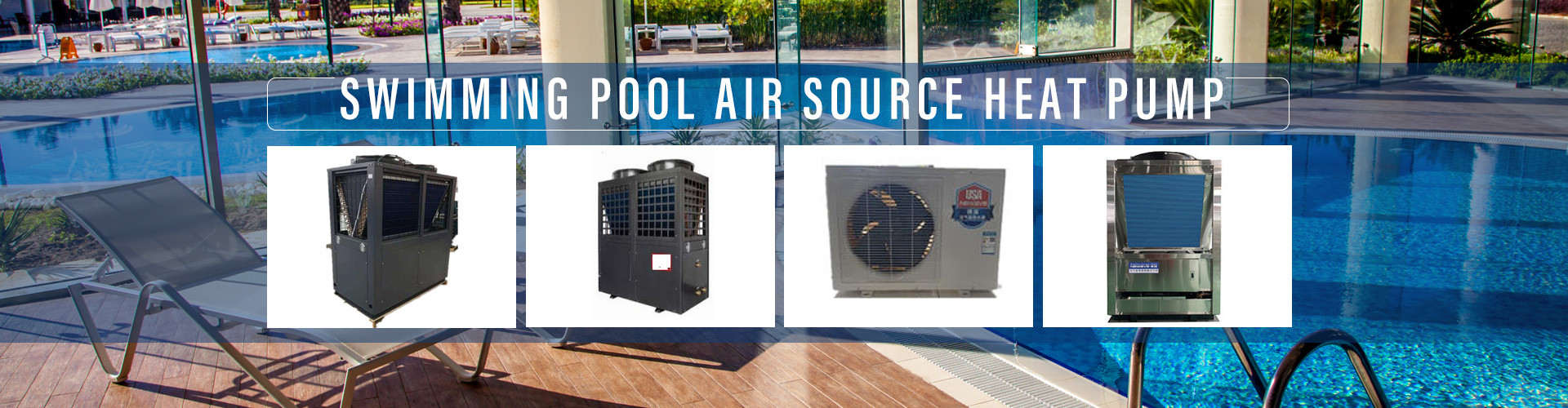
تعتبر المضخات الحرارية ذات مصدر الهواء على نطاق واسع واحدة من أذكى الطرق وأكثرها فعالية لتسخين حمامات السباحة الموجودة فوق الأرض. بدلاً من توليد الحرارة مباشرة من خلال الاحتراق أو المقاومة الكهربائية، فإنها تعمل في الاتجاه المعاكس - مثل مكيف الهواء - عن طريق استخلاص الحرارة من الهواء المحيط ونقلها إلى مياه حوض السباحة.
فيما يلي المزايا الرئيسية لاستخداممضخة حرارية مصدر الهواءلحمام السباحة الخاص بك فوق الأرض:
1. كفاءة فائقة في استخدام الطاقة وتوفير في التكاليفتتميز المضخات الحرارية بكفاءة عالية في استخدام الطاقة لأنها "تنقل" الحرارة بدلاً من "إنشاءها". فمقابل كل دولار يتم إنفاقه على الكهرباء، فإنها توفر حرارة بقيمة 5.90 دولارًا تقريبًا، مما يوفر عائدًا استثنائيًا على الاستثمار في الطاقة. وينتج عن ذلك تكاليف تشغيل أقل بكثير من سخانات الغاز التقليدية، مما قد يؤدي إلى خفض نفقات تدفئة حوض السباحة بنسبة تصل إلى الثلثين. على سبيل المثال، عند إقرانها بغطاء شمسي، يمكن لمضخة حرارية ذات حجم مناسب تسخين حوض سباحة دائري فوق الأرض يبلغ قطره 24 قدمًا (حوالي 7.3 مترًا) بأقل من 50 دولارًا شهريًا.
2. موسم السباحة الممتدتتفوق المضخات الحرارية في الحفاظ على درجات حرارة مريحة للمياه حتى مع برودة الطقس. يتيح لك ذلك تمديد موسم السباحة الخاص بك إلى الربيع والخريف، مما يزيد من فائدة وقيمة استثمارك في حمام السباحة.
3. ميزات صديقة للبيئةونظرًا لأن المضخات الحرارية تستخدم الحرارة من البيئة الطبيعية ولا تحرق الوقود الأحفوري، فإنها تولد الحد الأدنى من انبعاثات غازات الدفيئة. يعد اختيار المضخة الحرارية خطوة إيجابية واعية بيئيًا نحو تقليل البصمة الكربونية والمساهمة في الحفاظ على كوكب أكثر صحة.
4. عملية هادئة وسلسةعلى عكس سخانات حمامات الغاز - حيث غالبًا ما تسبب مراوح الاحتراق والشعلات ضوضاء وإزعاجًا - تعمل المضخات الحرارية الحديثة بمصدر الهواء بهدوء شديد. وهذا مفيد بشكل خاص للساحات الخلفية السكنية، لأنه يحافظ على الجو الهادئ والمريح لمنطقة حمام السباحة الخاص بك.
5. التحكم الدقيق والمتسق في درجة الحرارةسواء كنت تسبح في الساعة 6:00 صباحًا أو 11:00 مساءً، تتيح لك المضخة الحرارية ضبط درجة حرارة معينة للمياه والحفاظ عليها باستمرار. وهذه ميزة كبيرة مقارنة بألواح التسخين الشمسية، والتي عادةً ما ترفع درجات حرارة الماء قليلاً فوق درجة حرارة الهواء المحيط وتفعل ذلك ببطء شديد (غالبًا ما تزيد درجة الحرارة بمقدار 1-2 درجة فقط في اليوم).
6. عمر طويل ومتطلبات صيانة منخفضة
نظرًا لأنها لا تنطوي على عملية احتراق، فإن المضخات الحرارية عمومًا تواجه تآكلًا داخليًا أقل مقارنة بسخانات الغاز. وهذا يُترجم إلى عمر خدمة أطول وتكاليف صيانة أقل على المدى الطويل، مما يجعلها خيارًا موثوقًا به للغاية لأصحاب حمامات السباحة.
اعتبارات خاصة لحمامات السباحة فوق الأرض1. يعد الحجم المناسب أمرًا بالغ الأهمية: تأكد من أن خرج BTU (الوحدة الحرارية البريطانية) للمضخة الحرارية يتطابق مع حجم حمام السباحة الموجود فوق سطح الأرض. إذا كانت الوحدة صغيرة الحجم، فسيتعين عليها أن تعمل بشكل مستمر وتكافح للوصول إلى درجة حرارة الماء المطلوبة.
2. استخدم غطاءًا شمسيًا: عندما لا يكون حمام السباحة قيد الاستخدام، يمكن أن تقلل البطانية أو الغطاء الشمسي بشكل كبير من فقدان الحرارة بسبب التبخر - وهو السبب الرئيسي لفقد الحرارة في حمامات السباحة الموجودة فوق سطح الأرض.
3. الاستثمار الأولي مقابل عائد الاستثمار طويل الأجل: على الرغم من أن سعر الشراء الأولي للمضخة الحرارية أعلى من سعر سخان الغاز الأساسي، إلا أن توفير الطاقة الشهري الكبير غالبًا ما يسمح للوحدة بدفع تكاليفها بنفسها في غضون عامين إلى ثلاثة أعوام.
4. حدود درجة الحرارة المحيطة: تكون المضخات الحرارية التقليدية لمصدر الهواء أكثر كفاءة عندما تكون درجة حرارة الهواء الخارجي أعلى من 50 درجة فهرنهايت (10 درجات مئوية). ومع ذلك، يمكن للعديد من نماذج العاكس الحديثة استخراج الحرارة بشكل فعال حتى في الظروف الباردة.
خاتمةلأصحاب حمامات السباحة فوق الأرض،مضخات الحرارة مصدر الهواءحقق توازنًا مثاليًا بين فعالية التكلفة وكفاءة الطاقة والراحة. في حين أن تكلفة الشراء الأولية قد تكون أعلى من بعض البدائل، فإن التوفير على المدى الطويل في تكاليف التشغيل، وموسم السباحة الممتد، والتشغيل الصديق للبيئة يجعلها استثمارًا مجزيًا للغاية يسمح لك بالاستمتاع الكامل بحمام السباحة الخاص بك.
عرض المزيد
مضخات الحرارة المصدر الهوائي مقابل مضخات الحرارة من الهواء إلى الهواء
2026-09-25
عند مقارنة المضخات الحرارية ذات مصدر الهواء ومضخات الحرارة الهواء إلى الهواء، من المهم أن نفهم أولاً أن هذه ليست مقارنة مباشرة بين شيئين من نفس الفئة.
"المضخة الحرارية لمصدر الهواء" (ASHP) هو مصطلح شامل يغطي جميع الأنظمة التي تستخرج الحرارة من الهواء الخارجي. تتضمن هذه الفئة في المقام الأول نوعين:
1) مضخات تسخين الهواء إلى الماء (وهذا عادة ما يعنيه الناس عند مناقشة "مضخات الحرارة مصدر الهواء" للتدفئة المنزلية).
2) مضخات الحرارة الهواء إلى الهواء.ولذلك، فإن المقارنة الفعلية هي بين مضخات الحرارة الهواء إلى الماء والمضخات الحرارية الهواء إلى الهواء. فيما يلي تحليل مفصل لمبادئ عملهم، والإيجابيات والسلبيات، والنوع الأكثر ملاءمة لمنزلك.
1. مبادئ العمل1) مضخات حرارة الهواء إلى الماء: تستخرج الحرارة من الهواء الخارجي وتنقلها إلى الماء. يتم تدوير الماء الساخن من خلال نظام التدفئة المركزية الهيدروليكي الموجود (أو المحدث) (مثل المشعاعات أو التدفئة الأرضية) ويستخدم أيضًا لتسخين خزان الماء الساخن المنزلي للصنابير والاستحمام.
2) مضخات حرارة الهواء إلى الهواء: تستخرج الحرارة من الهواء الخارجي وتنقلها مباشرة إلى الهواء الداخلي. يستخدمون وحدة ضاغط خارجية متصلة بواحدة أو أكثر من وحدات المروحة الداخلية (تشبه إلى حد كبير مكيفات الهواء التقليدية ذات النظام المنفصل) لضخ الهواء الدافئ أو البارد مباشرة إلى الغرفة.
2. نظرة عامة على الاختلافات الرئيسية
ميزة
مضخة حرارة الهواء إلى الماء
مضخة حرارة الهواء إلى الهواء
توزيع الحرارة
الماء (عن طريق مشعات أو تدفئة تحت الأرضية)
الهواء (عبر وحدات المروحة المثبتة على الحائط أو السقف)
الماء الساخن المنزلي
نعم (يسخن ماء الصنبور/الدش)
لا (يتطلب سخان مياه منفصل)
القدرة على التبريد
ممكن، ولكنه يتطلب ملفات مروحة خاصة أو تبريدًا تحت الأرضية (أقل شيوعًا)
ممتاز (مصمم للتدفئة والتبريد)
تثبيت
أكثر تعقيدًا: تتطلب سباكة وأسطوانة ماء ساخن ومشعات أكبر حجمًا.
أبسط: يتطلب أنابيب التبريد وتركيب وحدات الهواء الداخلية.
الراحة والشعور
حرارة ثابتة ومشرقة ومتسقة. هادئ جدا في الداخل.
تسخين سريع للهواء القسري. يمكن أن يشعر بالرياح العاتية قليلاً؛ يصدر المشجعون الداخليون همهمة منخفضة.
تقسيم المناطق
تدفئة المنزل بالكامل (تقسيم المناطق ممكن ولكنه يتطلب صمامات سباكة معقدة).
تقسيم سهل لكل غرفة على حدة (فقط قم بتشغيل الوحدات في الغرف التي تستخدمها).
الحوافز الحكومية
مؤهلة على نطاق واسع (على سبيل المثال، خطة ترقية الغلايات في المملكة المتحدة، وقانون خفض التضخم في الولايات المتحدة).
يختلف. مؤهل للحصول على إعفاءات ضريبية أمريكية، ولكن غالبًا ما يتم استبعاده من منح التدفئة الأوروبية/المملكة المتحدة (المصنفة على أنها تكييف).
3. إيجابيات وسلبيات
مضخات حرارة الهواء إلى الماء1) الايجابيات:* يوفر حلاً شاملاً للمنزل بالكامل (تدفئة المساحة + الماء الساخن المنزلي).* يوفر حرارة مشعة مريحة دون تعميم الغبار أو المواد المسببة للحساسية.* يعمل بصمت تقريبًا في الداخل (لا يوجد ضجيج للمروحة في مناطق المعيشة). * مؤهل للحصول على إعانات وخصومات حكومية مختلفة للتدفئة الخضراء.
2) العيوب:* ارتفاع تكاليف التركيب مقدما.* قد يتطلب الأمر استبدال المشعات الموجودة بنماذج أكبر أو تركيب تدفئة أرضية لضمان التشغيل الفعال في درجات حرارة الماء المنخفضة.* تسخين الغرفة الباردة بشكل أبطأ مقارنة بأنظمة الهواء القسري (الهواء الدافئ).
مضخة حرارية لمصدر الهواء (هواء إلى هواء)1) المزايا:* انخفاض تكاليف التركيب الأولية، خاصة عند تسخين غرف معينة فقط.* يمكنه تسخين (وتبريد) الغرفة بسرعة.* كفاءة عالية عند استخدامها فقط لتدفئة المكان، حيث لا يتم فقدان أي طاقة لتسخين الماء الساخن المنزلي.* سهل التركيب في المنازل التي لا تحتوي على مجاري هواء أو أنظمة رادياتير مائية.
2) العيوب:* لا يمكن توفير الماء الساخن المنزلي.* قد يؤدي تدفق الهواء إلى توزيع الغبار ووبر الحيوانات الأليفة والمواد المسببة للحساسية (على الرغم من أن المرشحات الحديثة تساعد في تخفيف ذلك).* تولد وحدات المروحة الداخلية ضوضاء طفيفة في الخلفية.* قد لا تكون مؤهلة لبعض "إزالة الكربون" أو إعانات استبدال الغلايات، حيث أنها غالبًا ما يتم تصنيفها قانونيًا على أنها معدات تكييف الهواء.
4. أي واحد يجب أن تختار؟
1) اختر مضخة حرارية ذات مصدر هوائي (هواء إلى ماء) إذا:* أنت تقوم باستبدال غلاية غاز أو زيت أو بروبان تقليدية وتريد استبدالًا مباشرًا لنظام المنزل بالكامل.* أنت تريد نظامًا يوفر التدفئة والمياه الساخنة المنزلية.* لديك (أو ترغب في تركيبها) تدفئة أرضية أو مشعات حديثة كبيرة الحجم.* تريد تعظيم الدعم الحكومي والحوافز.
2) اختر مضخة حرارية ذات مصدر هوائي (هواء إلى هواء) إذا:* أنت تعيش في منطقة ذات مناخ معتدل ونادرا ما تتعرض للبرد الشديد.* أنت بحاجة إلى نظام فعال قادر على التدفئة والتبريد (تكييف الهواء). * ما عليك سوى تدفئة مناطق محددة (مثل المكتب المنزلي، أو العلية المحولة، أو المرآب) ولا ترغب في إجراء تعديلات كبيرة على نظام أنابيب المنزل بأكمله.* يفتقر منزلك إلى المساحة أو البنية التحتية اللازمة لتركيب خزان الماء الساخن وترقية المشعاعات.
ملحوظة:
في بعض الحالات، يختار أصحاب المنازل اتباع نهج مختلط: استخداممضخة حرارية مصدر الهواء(هواء إلى ماء) لتلبية احتياجات التدفئة الأساسية للمنزل بالكامل واحتياجات الماء الساخن المنزلي، مع تركيب مضخة حرارية إضافية لمصدر الهواء (هواء إلى هواء) في الغرف التي يصعب تسخينها (مثل غرفة التشمس المواجهة للجنوب أو المكتب المنزلي) لتوفير تحكم سريع في الراحة وتبريد صيفي خاص بالمنطقة.
عرض المزيد